

Table of Contents
You might find yourself feeling curious or even emotionally connected to the stories Hugo Bachega tells especially if you’ve watched his reporting from some of the world’s most intense conflict zones.
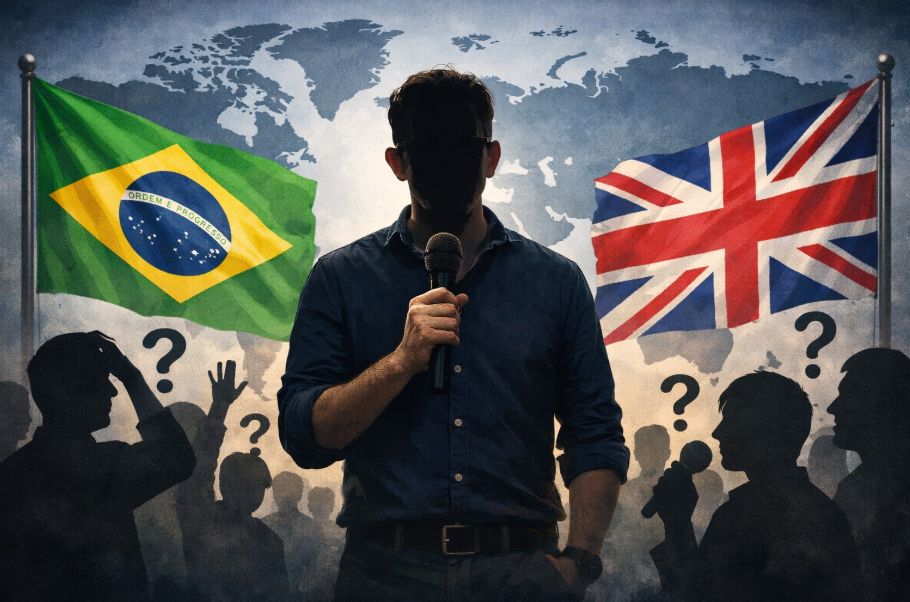
But beyond his voice and presence on your screen, you’re probably wondering: Where is Hugo Bachega really from? Right away, here’s the direct answer: Hugo Bachega is a journalist of Brazilian origin who also holds British nationality.
Let’s explore this in a way that gives you clarity, context and a deeper understanding of how his background shapes his work because for a foreign correspondent, identity often influences perspective.
Who Is Hugo Bachega?
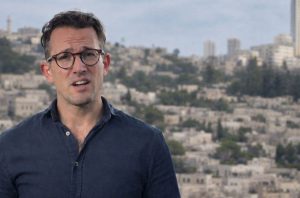 Hugo Bachega is a respected BBC correspondent known for covering major global affairs from Middle East conflicts to social and political developments around the world.
He’s featured frequently in international reporting and is recognised for his insightful and human‑centred narratives.
Curiosity about his nationality stems from the fact that his background is multicultural and reflects the experience of many journalists who report across borders. Knowing where he comes from helps audiences appreciate the lens through which he tells stories.
What Is Hugo Bachega’s Nationality?
Hugo Bachega has dual nationality Brazilian and British.
- Brazilian: He was born and raised in Brazil, which forms the foundation of his early identity and cultural experience.
- British: Over time, Bachega became a British national as well a reflection of his professional integration into British media, most notably through his work with the BBC.
Dual nationality is not uncommon for journalists with international careers, and in Bachega’s case, it underscores his global perspective.
Where Was Hugo Bachega Born?
Hugo Bachega was born in São Paulo, Brazil.
São Paulo is one of Brazil’s largest and most culturally diverse cities, a place that is both a commercial hub and a melting pot of voices.
Growing up there likely gave him early exposure to rich social, cultural and political dynamics a strong foundation for someone entering international journalism.
What Is the Difference Between Nationality, Citizenship and Heritage?
You might have heard these terms used interchangeably, but they mean different things:
- Nationality refers to the legal connection between a person and a country often reflected in citizenship and a passport.
- Citizenship is the legal status that gives rights and duties within a specific nation (such as voting or holding a passport).
- Heritage reflects cultural background, language and identity passed down through family or upbringing.
In Hugo Bachega’s case:
- His Brazilian nationality speaks to his place of birth and cultural heritage.
- His British nationality reflects his legal status and connection to the UK, shaped by his professional life.
Has Hugo Bachega Ever Spoken Publicly About His Background?
Although there aren’t many detailed public interviews about his personal life, various profiles and professional bios confirm his multicultural background. One interview highlighted his journey from Brazil to international reporting roles underscoring his global identity.
His public presence on platforms like X (formerly Twitter) further shows he is a BBC correspondent operating out of Beirut and across the Middle East, reflecting a career that transcends geographic borders.
How Has Hugo Bachega’s Nationality Influenced His Career in Journalism?
Being born in Brazil and later becoming British has given Bachega a unique lens to interpret world events.
Brazil’s complex social and political landscape likely influenced his early understanding of global affairs, while his British nationality and work with the BBC have anchored him in globally recognised news reporting.
This blend of cultural backgrounds allows him to connect with diverse audiences and cover stories with both empathy and analytical depth.
What Do Official Records and Profiles Say About His Nationality?
His BBC and journalist listings such as on Muck Rack, a platform that aggregates journalist profiles list him as a BBC correspondent, typically affiliated with international reporting.
These kinds of professional profiles align with the understanding that he is based in the UK media network, while other biographical sources confirm his Brazilian roots and later British nationality.
Why Do People Often Confuse Place of Birth With Nationality?
A lot of people assume nationality and place of birth are the same. However:
- Someone can be born in one country (like Brazil) and later gain nationality in another (like the UK).
- Dual nationals have legal ties to both countries, and often navigate identities across cultures.
This is exactly Hugo Bachega’s situation giving him a multifaceted identity that enriches his worldview and reporting style.
Is There Any Public Record of Dual Nationality (If Applicable)?
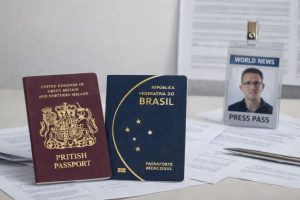 Yes, reliable sources indicate that Hugo Bachega holds both Brazilian and British nationalities. This dual status allows him to operate effectively in international journalism circles and reflects his professional journey from Brazil to the UK media landscape.
What Should You Know About BBC Journalists and Nationality?
The BBC employs journalists of many nationalities, reflecting its global reach and audience. Hugo Bachega is one such example a journalist whose multicultural background adds depth to international reporting.
BBC correspondents are often based in different parts of the world and may have personal histories that span continents, which enhances the corporation’s ability to tell stories from multiple angles.
Conclusion
So, what’s the answer you were looking for? Hugo Bachega is both Brazilian and British. He was born in São Paulo, Brazil, and later acquired British nationality as part of his international journalism journey.
Understanding his nationality helps you appreciate not just where he’s from, but how his multicultural identity enriches his journalism bringing depth, empathy and a global perspective to every story he tells.
FAQs
Is Hugo Bachega British?
Yes, he holds British nationality alongside his Brazilian origin.
Does nationality affect where a journalist can work?
Legally, nationality can affect work visas and residency, but BBC journalists often work internationally regardless of origin.
Can someone be from Brazil and work for the BBC?
Absolutely many journalists have international careers and work for organisations like the BBC outside their birth country.
What language does Hugo Bachega speak?
He speaks Portuguese (Brazil’s primary language) and English, essential for his BBC work.
Does the BBC list nationality for its journalists?
Typically, professional profiles focus on role and expertise rather than nationality.
Why is nationality important for journalists?
Nationality can shape perspective, lived experience and audience connection. It isn’t the only factor, but it is part of how a journalist’s voice and context are understood.
Has Hugo Bachega worked in multiple countries?
Yes — his career includes postings and reporting assignments in regions like the Middle East, which reflects his global reach.