

Table of Contents
In urban environments like London, the home is increasingly seen as a place of retreat from the pace and intensity of daily life.
As a result, interior design trends have evolved to focus not only on visual appeal but also on how a space makes its occupants feel.
The combination of aesthetics and wellbeing now guides many design choices, encouraging the integration of elements that engage multiple senses rather than sight alone.
How Can Natural Materials and Scent Improve Home Comfort Indoors?
The Growing Importance of Sensory Design
Interior spaces are no longer designed solely around colour palettes and furniture layouts. Attention is also given to light quality, textures and ambient details that influence mood and relaxation.
Soft lighting, natural materials and subtle scents contribute to a more balanced atmosphere, helping residents disconnect from the external noise of the city and feel more grounded once at home.
Natural Materials as a Central Design Element
One noticeable shift in recent interior trends is the return to natural materials such as wood, stone and linen. These elements bring warmth and authenticity to a space, creating a tactile and visual contrast with more industrial urban surroundings.
Their presence often introduces a sense of calm and permanence, which resonates with the desire for more mindful and restorative living environments.
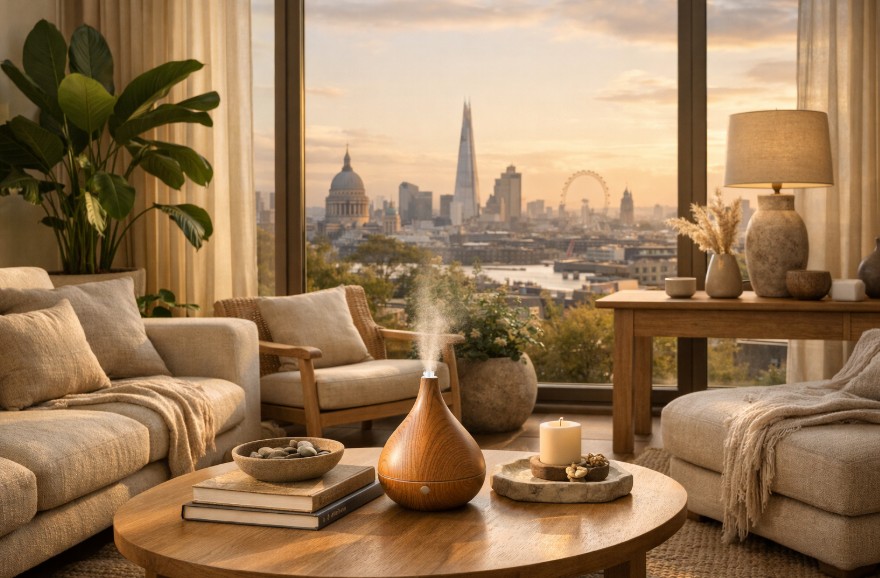
Within this context, a wooden diffuser can serve both a decorative and functional purpose, blending easily into minimalist or nature-inspired interiors while gently contributing to the overall sensory atmosphere of a room.
Creating a Calm Environment in a Busy City
Living in a fast-paced city can make it particularly important to cultivate moments of calm at home. Interior choices that reduce visual clutter and encourage relaxation help counterbalance the constant stimulation of urban life.
Subtle scent diffusion, soft textiles and carefully chosen decorative objects can all contribute to a feeling of refuge, even in smaller city apartments.
Balancing Style and Everyday Practicality
While aesthetics remain important, practicality also plays a key role in modern interior trends. Items that are both visually pleasing and easy to use are often preferred over purely decorative objects.
This balance ensures that design choices support everyday routines rather than complicate them, making wellbeing-oriented interiors more sustainable over time.
A More Holistic Approach to Home Design
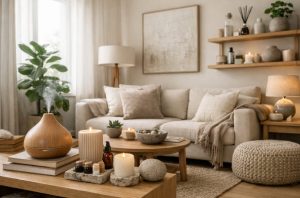
The convergence of design and wellbeing reflects a broader shift towards more holistic living. Rather than treating decor as purely visual, people increasingly consider how their environment influences focus, relaxation and general comfort.
Exploring home fragrance and interior accessories through curated platforms such as Notino allows individuals to refine these sensory details and shape living spaces that feel both stylish and genuinely restorative.