

Table of Contents
Key Facts About James Stannage
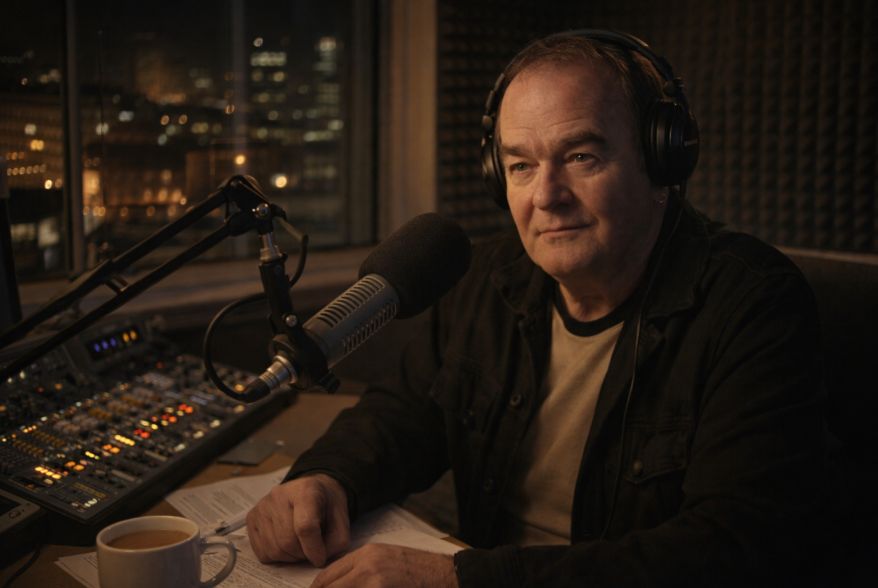
James Stannage, the unmistakable voice of late-night Manchester radio, has died at the age of 76 following a year-long battle with cancer. He passed away peacefully at Manchester Royal Infirmary, surrounded by his family.
For more than two decades, Stannage was a defining presence on the city’s airwaves. Known for his abrasive, sharp, and unapologetically direct style, he became widely recognised as the “voice of Manchester.” His late-night phone-ins were not just radio showsthey were platforms where opinions clashed, debates ignited, and listeners felt heard.
His passing marks the end of an era in British talk radio, leaving behind a legacy that continues to shape how audiences engage with live broadcasting today.
Who Was James Stannage?
 James Stannage was a pioneering Manchester radio presenter best known for transforming late-night talk radio into a bold, interactive experience. He earned the nickname “the voice of Manchester” because he gave ordinary people a platform to express their views often in raw and unfiltered ways.
The term “shock jock” is often used to describe presenters who provoke strong reactions through controversial or outspoken commentary. In Stannage’s case, this label reflected his willingness to challenge callers, question opinions, and push boundaries on air.
- Long-standing presenter in Manchester radio
- Known for late-night phone-in shows
- Recognised for confrontational and engaging style
Clarification
While the term “shock jock” may carry negative connotations, in the UK context, Stannage’s approach was also seen as a form of authentic public dialogue rather than purely sensational broadcasting.
How Did James Stannage Build His Radio Career and Rise to Fame?
Early Career and the Rise of Piccadilly Radio
James Stannage began his broadcasting career in the 1970s, joining Piccadilly Radio at a time when local radio was still developing its identity. It was here that he helped pioneer the late-night phone-in format, encouraging listeners to call in and share their opinions live on air.
This format quickly gained popularity because it gave a voice to everyday people. Stannage’s ability to control, challenge, and energise these conversations set him apart from other presenters.
Transition to Key 103 and Peak Popularity
Stannage later moved to Key 103, where his career reached its peak during the 1990s and early 2000s. His shows attracted large audiences and became a staple of Manchester nightlife, with listeners tuning in for debate, entertainment, and unpredictability.
During this period, he became one of the most recognised voices in regional UK radio, shaping the expectations of what talk radio could be.
Why Was James Stannage Called a ‘Shock Jock’ and What Made His Style Unique?
James Stannage was called a “shock jock” because of his direct, often confrontational approach to broadcasting. However, his style was rooted in engagement rather than shock for its own sake.
He once described his philosophy clearly:
This approach created an environment where callers were expected to think critically and defend their views.
He also explained his relationship with listeners:
What Made His Style Different?
- Encouraged real-time debate
- Challenged opinions rather than agreeing with them
- Reflected the tone and character of Manchester
Balanced Perspective
- Confirmed: His style increased listener engagement
- Interpretation: Some viewed him as controversial, while others saw him as refreshingly honest
What Is James Stannage’s Lasting Legacy in Manchester Radio?
 James Stannage’s influence on Manchester radio and UK talk radio more broadly remains significant. He helped establish the late-night phone-in as a major format and demonstrated how local radio could connect deeply with its audience.
Key Career Milestones of James Stannage
Confirmed Impact
- Shaped interactive radio formats
- Influenced future presenters
- Built a loyal listener base
Ongoing Influence
Even after leaving mainstream radio, Stannage remained a recognised figure, with his style continuing to influence modern broadcasting and podcasting formats.
What Have Family, Colleagues, and Listeners Said About His Passing?
Tributes have poured in from family members, colleagues, and listeners across Manchester and beyond.
His son, Darren Stannage, shared a heartfelt statement:
This personal insight highlights both his resilience and his deep connection to music and family.
Fellow broadcaster Pete Mitchell also paid tribute:
Public Reaction
Listeners have shared memories of late-night debates, humour, and the sense of connection his shows created demonstrating how deeply embedded he was in Manchester’s cultural identity.
What Happened During the Ofcom Controversy and Why Did It Matter?
In 2005, James Stannage’s career took a significant turn following regulatory action involving Ofcom. Key 103 was fined £125,000 the largest fine of its kind at the time due to comments made during broadcasts.
Confirmed Facts
- Fine issued to Key 103
- Stannage left the station shortly after
- The incident became a major moment in UK radio regulation
Stannage later reflected on the situation:
“The day radio becomes ‘safe’ is the day it dies. I’ve always said what people are thinking but are too afraid to say at the dinner table. If that costs a station money, maybe the station shouldn’t have hired a man with a mind of his own.”
Balanced Interpretation
- Confirmed: Regulatory action was taken
- Discussion: Supporters viewed him as a defender of free expression
- Clarification: Critics argued that broadcasting standards must be maintained
This moment remains a key part of understanding both his career and the evolution of UK radio regulation.
What Was James Stannage’s Cause of Death and Final Days?
 James Stannage died following a year-long battle with cancer. He passed away peacefully at Manchester Royal Infirmary, surrounded by his family.
- Cause of death: cancer
- Duration: approximately one year
- Location: Manchester Royal Infirmary
- Circumstances: peaceful, with family present
There is no verified public information suggesting any alternative cause, and reports consistently confirm these details.
How Did James Stannage Influence Modern UK Talk Radio and Media Culture?
James Stannage’s influence can still be seen in modern media, particularly in formats that prioritise audience interaction.
Key Contributions
- Normalised listener participation
- Encouraged direct and honest discussion
- Helped shape talk radio identity in the UK
Modern Context
Today’s media landscape including podcasts, live streams, and social platforms echoes many of the principles Stannage championed decades ago.
Clear Distinction
- Confirmed: His format influenced audience-driven media
- Interpretation: Some modern formats are more moderated due to evolving standards
Conclusion
James Stannage’s career represents a defining chapter in Manchester’s broadcasting history. His voice, style, and approach to radio created a space where opinions mattered and conversations felt real.
While the era of the traditional “shock jock” may have evolved, his influence remains embedded in how talk radio and modern interactive media operate today.
For many listeners, he was more than a presenter. He was a nightly companion, a challenger of ideas, and a reflection of Manchester itself.
What are your favourite memories of listening to James Stannage? Share your thoughts and stories in the comments below.
FAQs About James Stannage
What illness did James Stannage suffer from before his death?
James Stannage had been battling cancer for approximately one year prior to his passing at age 76.
Which radio stations made James Stannage famous?
He became widely known through his work on Piccadilly Radio and later Key 103 in Manchester.
Why was James Stannage considered controversial?
His outspoken and confrontational style often pushed boundaries, leading to both strong support and criticism.
What does the term “shock jock” mean in radio?
It refers to a presenter who uses provocative or bold commentary to engage listeners and spark debate.
When did James Stannage leave Key 103?
He left in 2005 following a major Ofcom-related controversy involving the station.
Did James Stannage continue working after leaving radio?
Yes, he maintained a presence through media appearances and retained a loyal following.
How are fans responding to James Stannage’s death?
Many fans have shared tributes highlighting his influence, humour, and impact on Manchester culture.