

Table of Contents
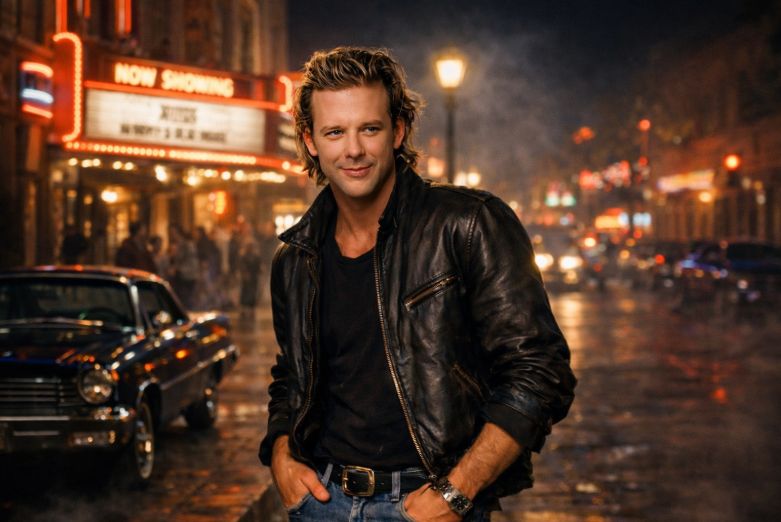
In the cinematic landscape of the 1980s, few actors captivated audiences quite like young Mickey Rourke. With a compelling mix of rugged charisma, emotional depth, and raw talent, Rourke quickly became one of Hollywood’s most intriguing figures.
This article explores how his early life, bold career choices, and standout performances propelled him to stardom during one of cinema’s most iconic decades.
What Sparked Mickey Rourke’s Journey Into Acting During His Youth?
 Before he became one of the most enigmatic figures in 1980s cinema, young Mickey Rourke had already lived a life filled with grit and transformation.
Born Philip Andre Rourke Jr. on September 16, 1952, in Schenectady, New York, his early life was marked by family struggles and frequent relocations, eventually settling in Miami, Florida. Rourke’s first love, surprisingly, was not acting it was boxing.
As a teenager, he trained as a boxer and even fought in several amateur matches, achieving an impressive record. However, a series of concussions pushed him away from the ring and into a different type of arena: the stage.
After a brief stint at college, Rourke moved to New York City and enrolled at the prestigious Actors Studio, where he trained under legendary acting coach Lee Strasberg.
This was the turning point that ignited his passion for method acting and set the stage for his rise in Hollywood.
Which Roles First Put Young Mickey Rourke on Hollywood’s Radar?
Mickey Rourke’s initial foray into film came in the late 1970s and early 1980s, where he took on minor roles that hinted at his raw talent.
His appearance in 1941 (1979) was brief, but it was his role as an arsonist in Body Heat (1981) that began to garner attention. The sultry, neo-noir thriller provided Rourke with just enough screen time to captivate critics and audiences alike.
But it was in 1982, with Barry Levinson’s coming-of-age film Diner, that young Mickey Rourke truly arrived. Playing the suave yet emotionally vulnerable Boogie, Rourke delivered a performance that was both magnetic and nuanced.
His portrayal struck a chord with audiences and critics, earning him widespread praise and placing him firmly on Hollywood’s radar.
How Did Mickey Rourke’s 1980s Film Roles Define His Career?
Throughout the 1980s, Rourke solidified his position as a cinematic force with a string of daring and unconventional roles. Unlike many of his peers who leaned towards commercially safe projects, Rourke gravitated toward complex characters with emotional depth.
In Rumble Fish (1983), directed by Francis Ford Coppola, he played the mysterious Motorcycle Boy a role that added a layer of mystique to his growing screen presence.
His portrayal was lauded for its intensity and poetic detachment, showing his ability to merge physicality with introspection.
Then came The Pope of Greenwich Village (1984), where Rourke starred alongside Eric Roberts. As Charlie, a small-time hustler with big dreams, he gave a deeply human performance that resonated with working-class audiences.
The pinnacle of his 1980s fame arguably came with 9½ Weeks (1986), co-starring Kim Basinger. The film’s erotic themes and Rourke’s brooding performance made him an international sex symbol and showcased his fearless approach to storytelling.
In Angel Heart (1987), he took on a darker role as a private investigator entangled in a satanic mystery, further establishing his range and willingness to push artistic boundaries.
Did Mickey Rourke’s Boxing Background Influence His Persona On Screen?
 Absolutely. Rourke’s history as a boxer shaped not only his physicality but also the psychological intensity he brought to his roles. His ability to convey internal conflict, pain, and vulnerability while maintaining a rugged exterior became one of his trademarks.
This blend of toughness and sensitivity made him stand out in a decade that favoured macho action heroes. Rourke wasn’t just another tough guy he was a complex figure shaped by personal battles, much like the characters he portrayed.
His performances often echoed the discipline, resilience, and underlying trauma of his boxing days.
Directors and casting agents recognised this, often choosing Rourke for roles that demanded more than just brawn. Whether he was playing a tortured detective or a seductive lover, his physical presence added authenticity, making his performances unforgettable.
What Made Young Mickey Rourke Stand Out Among 1980s Actors?
In a decade that produced a flood of rising stars from Tom Cruise and Rob Lowe to Matt Dillon and Patrick Swayze young Mickey Rourke stood apart.
He wasn’t the clean-cut heartthrob or the typical action hero. His edge came from unpredictability, emotional depth, and a fearless commitment to his craft.
While other actors polished their images for mainstream appeal, Rourke embraced his flaws and raw energy. He brought a sense of realism to the screen that was rare in the glossy Hollywood landscape of the 80s. His off-screen persona rebellious, private, and uncompromising only added to his mystique.
Another factor was his style. Rourke’s fashion choices, often blending rugged streetwear with high-end flair, made him a style icon. He had a gritty elegance that reflected both his working-class roots and artistic aspirations.
How Did Critics and Fans Respond to Mickey Rourke in the 1980s?
The 1980s were filled with acclaim for Rourke. While he didn’t rack up many major awards during the decade, he consistently earned the respect of critics and filmmakers. Renowned director Elia Kazan once called Rourke “the best actor of his generation.”
Audiences found his performances unforgettable intimate yet explosive. Films like Diner, The Pope of Greenwich Village, and Angel Heart became cult classics, partially due to Rourke’s commanding presence. Though not always box office hits, his movies left lasting impressions and maintained cultural relevance over time.
Moreover, Rourke cultivated a loyal fan base who admired his dedication to authenticity, both in his roles and in his personal life. For many, he represented the antithesis of Hollywood glamour a flawed, honest, and deeply human performer.
What Challenges Did Young Mickey Rourke Face During His Rise?
 Despite his success, Rourke’s career in the 1980s was not without turbulence. Known for being difficult on set and refusing to play by industry rules, he clashed with studios, directors, and even co-stars. His refusal to compromise often led to being labelled as “difficult,” which affected his opportunities.
Additionally, his personal life was under constant media scrutiny. Relationships, including his tumultuous marriage to actress Debra Feuer, drew tabloid attention. His unpredictable behaviour and refusal to conform to Hollywood norms began to overshadow his talent.
Rourke also struggled internally. In interviews, he has spoken openly about battling mental health issues and the pressure of fame.
These challenges created a career rollercoaster that saw him taking fewer high-profile roles as the decade ended.
How Did the 1980s Shape Mickey Rourke’s Legacy in Cinema?
The 1980s were both a blessing and a curse for Mickey Rourke. On one hand, they cemented his place in film history with iconic performances and a distinctive acting style.
On the other, the pressures and pitfalls of early fame took a toll that would reverberate through the following decades.
Rourke’s legacy from this era is that of a risk-taker an actor who prioritised truth over commercial success.
His performances in this period have aged well, often cited in film schools and retrospectives as examples of raw, method-based acting.
Despite later career ups and downs, his 1980s work remains a benchmark for intense, character-driven storytelling. For a generation of film lovers, young Mickey Rourke represents a golden era of cinema where artistry and rebellion collided on screen.
Mickey Rourke’s Notable 1980s Films and Their Impact
| Film Title | Year | Role | Impact on Career |
| Body Heat | 1981 | Teddy Lewis | Early critical attention |
| Diner | 1982 | Boogie | Breakthrough performance |
| Rumble Fish | 1983 | The Motorcycle Boy | Cult status, artistic recognition |
| The Pope of Greenwich Village | 1984 | Charlie | Reinforced acting credibility |
| 9½ Weeks | 1986 | John Gray | International fame, sex symbol |
| Angel Heart | 1987 | Harry Angel | Psychological depth, fan admiration |
Conclusion
Young Mickey Rourke’s rise to fame in the 1980s was driven by raw talent, fearless role choices, and a unique blend of emotional intensity and rugged charm.
Despite personal challenges, his impact on cinema during that decade remains undeniable, securing his legacy as one of Hollywood’s most compelling and unconventional stars.
FAQs About Young Mickey Rourke’s Career in the 1980s
Was Mickey Rourke originally a professional boxer before acting?
Yes, before pursuing acting, Rourke trained extensively as a boxer and even fought in amateur matches. He returned briefly to professional boxing in the 1990s.
What was Mickey Rourke’s most iconic film in the 1980s?
9½ Weeks is often cited as his most iconic film of the decade, gaining international attention and making him a sex symbol.
Did Mickey Rourke win any awards in the 1980s?
While he didn’t win major awards in the 1980s, he was critically acclaimed and earned nominations and accolades from critics’ circles.
How did Mickey Rourke’s acting style differ from his peers?
Rourke practised method acting, diving deeply into his roles with emotional intensity. He often chose complex, troubled characters over conventional leading roles.
What made Rourke a unique presence in 80s Hollywood?
His unpredictability, raw emotion, and refusal to conform to industry standards made him stand out among a crowd of polished stars.
Why did Mickey Rourke’s career decline after the 80s?
A combination of personal issues, controversial decisions, and clashes with Hollywood insiders led to fewer high-profile roles in the 1990s.
Is Mickey Rourke still active in the film industry today?
Yes, Rourke has continued acting and made a strong comeback in the 2000s, most notably with The Wrestler (2008), which earned him an Academy Award nomination.